Global Peace is an initiative of the African Centre for the Constructive Resolution of Disputes (ACCORD). It brings what ACCORD has learned from 34 years of peacemaking to the rest of the world.
Who ACCORD is
ACCORD is a civil society institution based in Durban, South Africa. It works closely with the United Nations, the African Union, the European Union and Africa’s Regional Economic Communities to prevent, manage and resolve conflict.
ACCORD has shaped policy, trained peacebuilders across the continent and helped to mediate almost all of Africa’s long-running conflicts.
Why ACCORD started Global Peace
Decades at the negotiating table taught ACCORD one lesson above all: peace is not only the absence of war. It is also the absence of poverty, unemployment and inequality. A ceasefire does not last if people still have no work, no voice and no stake in the future.
Many of the forces that drive conflict are now global: rapid population growth and urbanisation, climate change, a volatile financial system, mass migration and the threat of nuclear war. No mediator can solve these alone, and no single country can either.
So ACCORD set out to build something different: a platform from the Global South that connects the people who will live with tomorrow’s problems, young people, with the leaders who make decisions today, and with the innovators, investors and implementers who can turn ideas into practical, affordable solutions.
Built on ACCORD’s network
ACCORD used its political standing and global relationships to give Global Peace a strong start:
- July 2018: BRICSPresident Cyril Ramaphosa and Graça Machel unveiled Global Peace before 22 Heads of State and Government in Johannesburg.
- September 2018: UN General AssemblyGraça Machel, Chair of ACCORD’s Board and of Global Peace, introduced it at the Nelson Mandela Peace Summit.
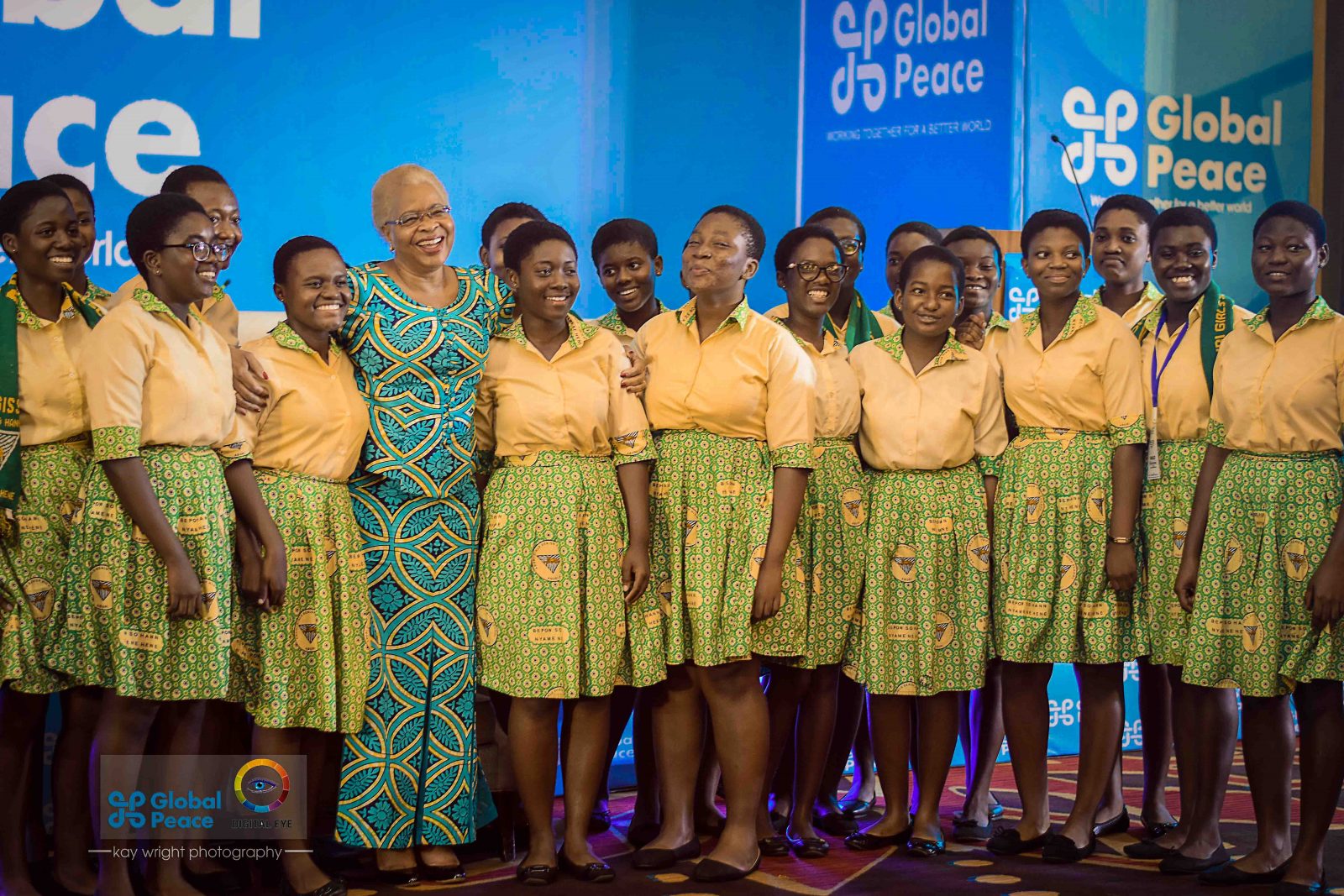
- May 2019 onwards: the dialoguesFrom Accra, the Inter-Generational Dialogues spread to more than 100 cities.
ACCORD’s agenda for Global Peace
A regular gathering of leading thinkers and innovators from government, business and civil society, focused on new approaches to conflict prevention and development.
Country teams run by young people, building agreements between their governments, businesses and civil society to reach the SDGs.
Connecting scientists, planners, engineers and other innovators with governments and investors, to fund practical ideas that tackle the root causes of conflict.