An initiative of the African Centre for the Constructive Resolution of Disputes (ACCORD), Global Peace was engineered to foster dialogue among young and future leaders, city mayors, captains of industry and country leaders on what a better world should look like. Its core premise: development initiatives are the most powerful tools for global peace.
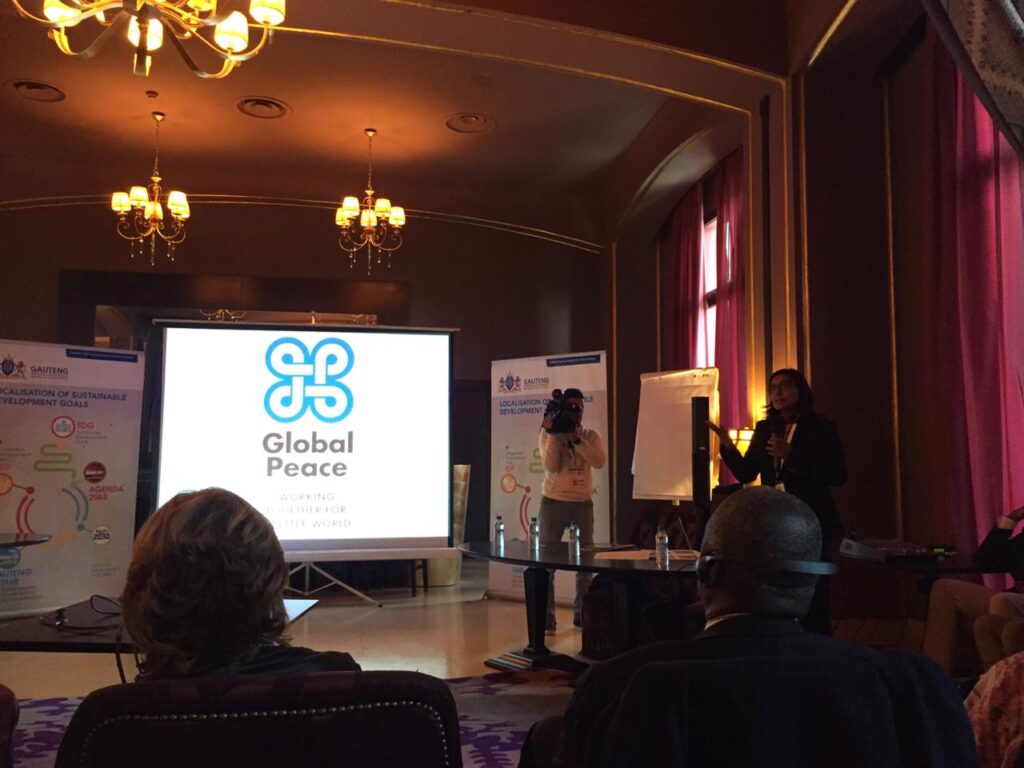
2019 – 2021: Launching the Inter-Generational Dialogue Movement
The inaugural Global Peace IGD was held in Accra on 6th May 2019, with over 700 delegates drawn from students, traditional leaders, civil society, security services, government and the diplomatic corps.
At the launch, H.E. Nana Akufo-Addo stated: “We cannot talk about sustainable development without the active involvement of the youth.” Mrs Machel noted: “The future of Africa and the future of our young people depends on visionary leadership.”
Scale and Reach
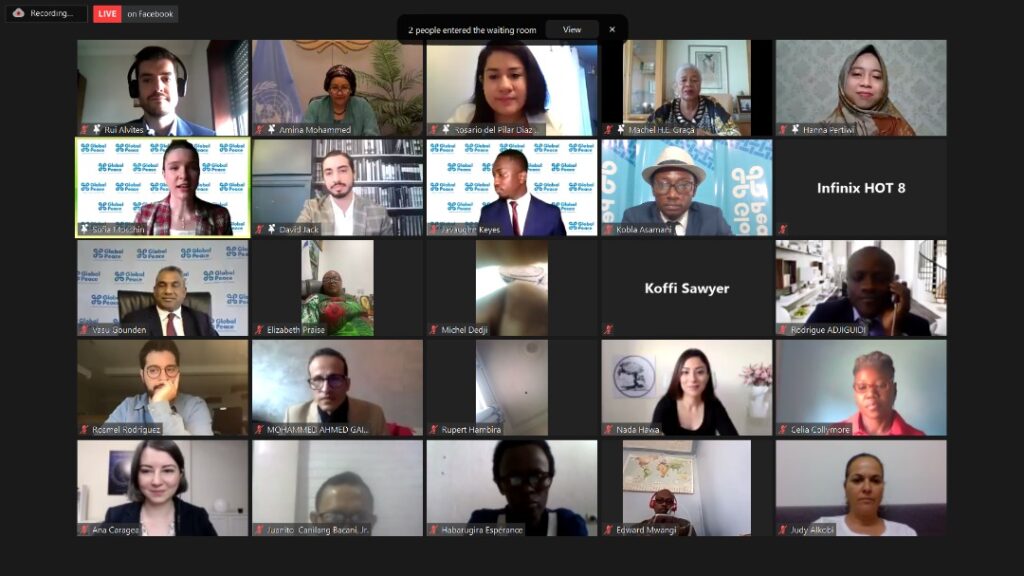
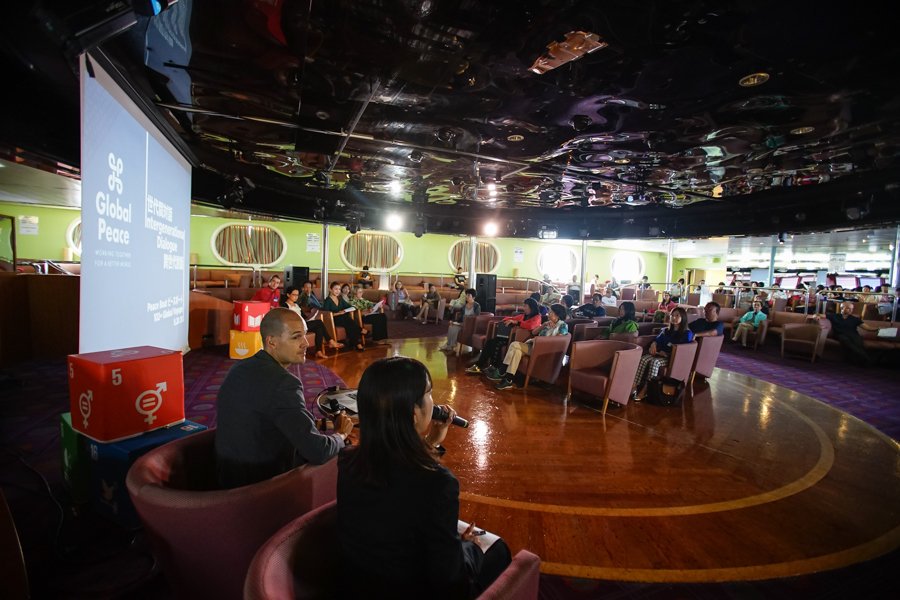
In 2019, Global Peace held 25 IGDs globally, and in 2020, 75 IGDs were held to mark UN75 including in Argentina, Bangladesh, Brazil, Germany, India, Japan, Kenya, Mexico, Nepal, Nigeria, South Africa and aboard the Peace Boat at sea. A total of 100 IGDs were consolidated towards the production of the maiden Global Peace Charter. The Declaration of Intent for the Global Peace Charter was handed to the UN Under-Secretary-General in November 2019.
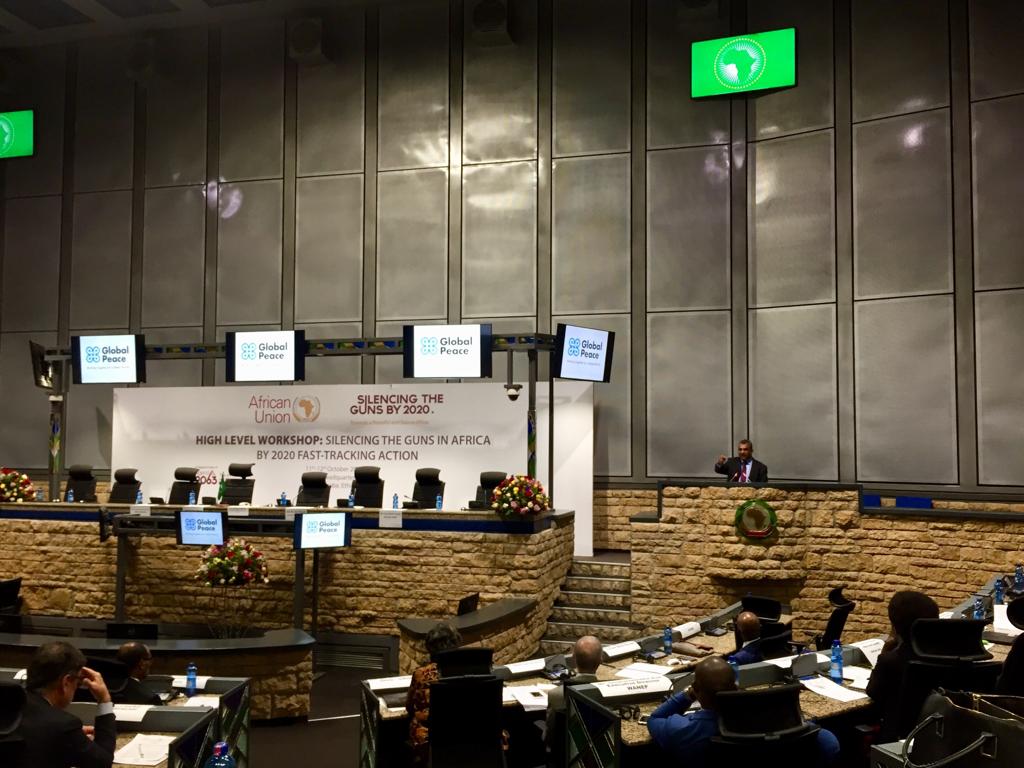
From its launch on 27th July 2018 by Mrs Graça Machel at a luncheon hosted by H.E. Cyril Ramaphosa, President of South Africa, for twenty Heads of State during the BRICS Plus Summit, and its introduction at UN Headquarters during the Nelson Mandela Peace Summit on 24th September 2018, Global Peace has grown to engage all continents. From dialogues in the Mexican Parliament and a caravan dialogue in Israel, to deep in the ocean aboard the legendary Japanese Peace Boat.
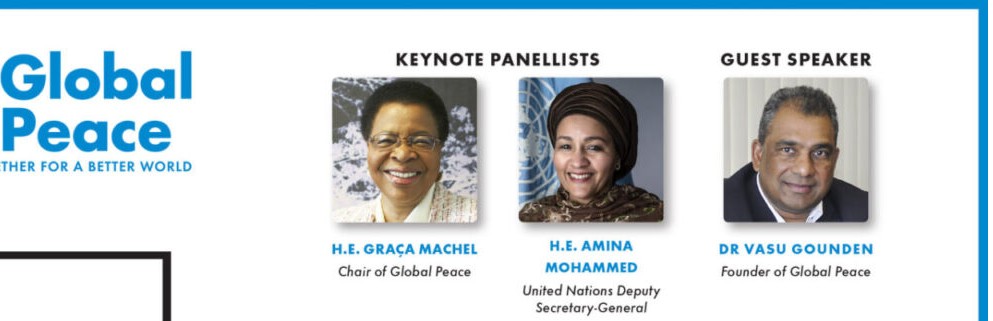
In 2021, Global Peace launched the Global Peace Futures Forum by the UN Deputy Secretary-General H.E. Amina Mohammed, who stated that: “We need young people’s energy, commitment and leadership… Individually and collectively, we can make the change.”
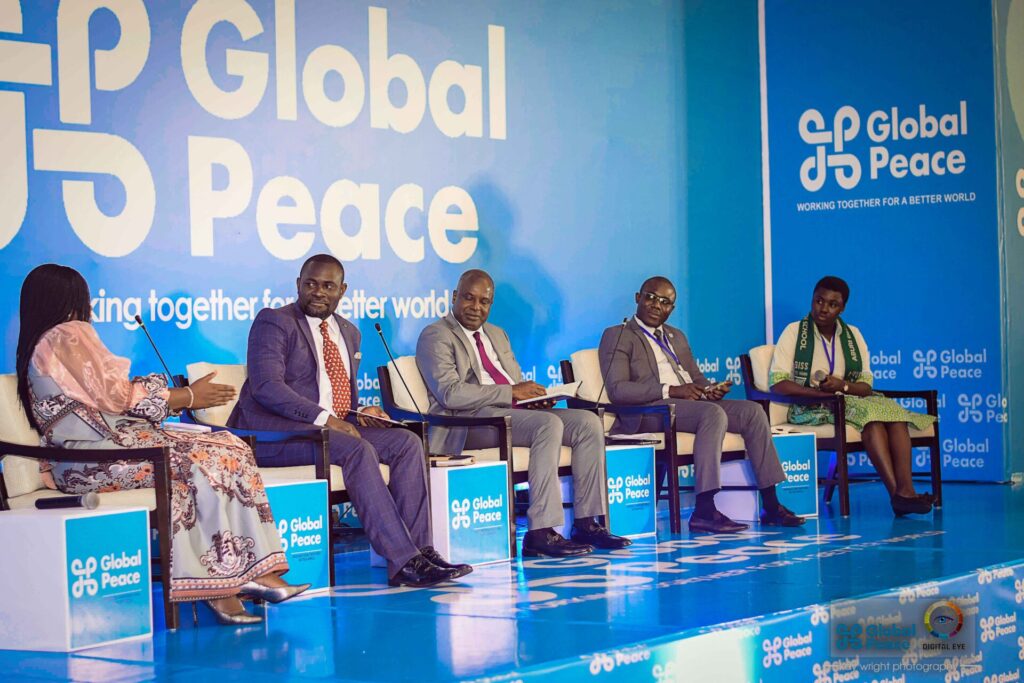
From 2022 to 2023, over 40 hybrid programmes were held in various countries.
Key Achievements
1. Establishing Global Peace as a catalyst for social compacts between governments, multilateral agencies, private sector and civil society as an ecosystem for Ideas, Innovators, Influencers, Investors and Implementers (5Is).
2. Creating the Inter-Generational Dialogue model where dialogues between young and current leaders on the SDGs were collated into a Global Peace Charter to be presented to the UN Secretary-General.
3. Scaling partnerships with the UN SDG Action Campaign, World Federation of United Nations Associations, Global Citizen, UCLG, JCI, Commonwealth Youth Council, Association of African Universities, European Students’ Union, All Africa Students Union and Millennium Promise.
4. Introducing the Country Coordination model to institutionalize peace and development solutions nationally, including establishing national presence offices.
5. Facilitating over 70 hybrid global programmes under the Futures Forum on the future of education, transportation, agriculture, technology, work, environment and climate action.
6. Engaging participants from over 170 countries and speakers from over 150 countries.
7. Organizing over 200 hybrid programmes worldwide with over 2,000 speakers and over one million participants across Global Peace social media platforms.
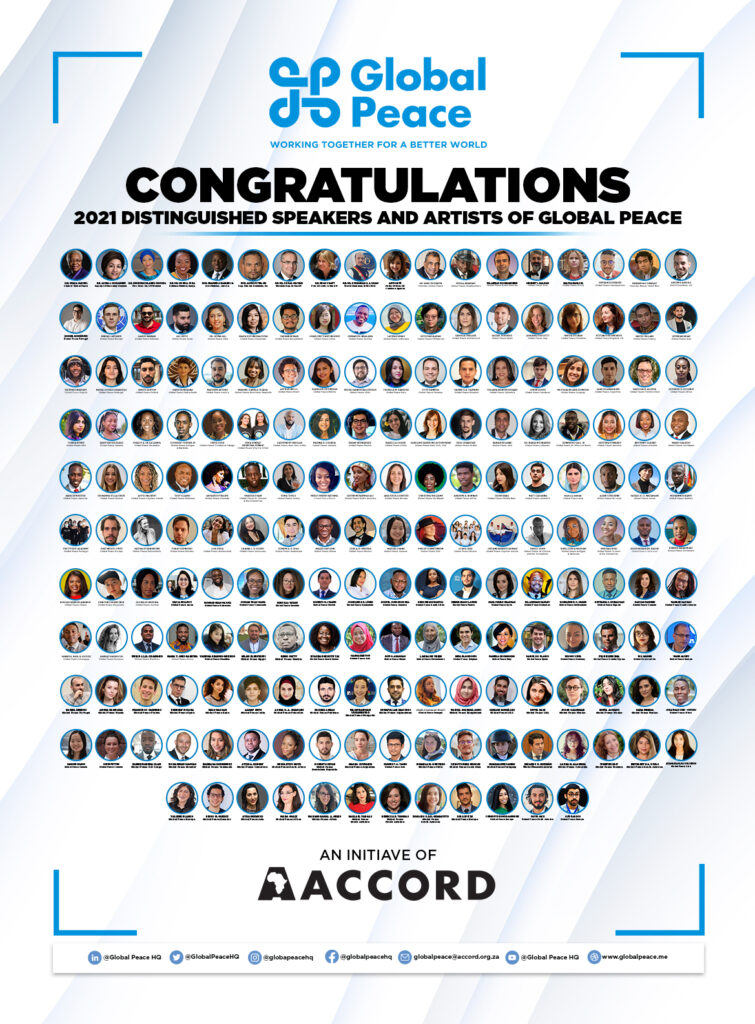
Global Peace dialogues continue to generate key policy insights as recommendations for global decision-makers, including: prioritizing digitalization for youth employability; investing in digital infrastructure; empowering women and girls; promoting youth entrepreneurship; and strengthening infrastructure in health, education, agriculture, climate action and cybersecurity.
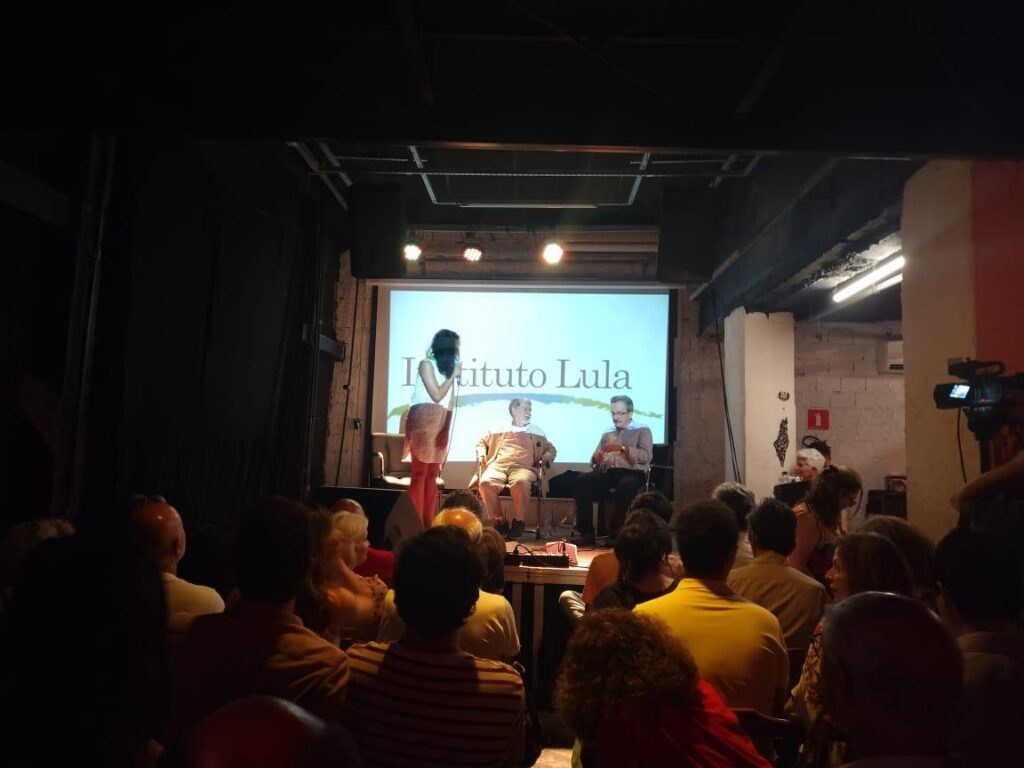
Conveners of Global Peace Dialogues were drawn from over 100 countries, including Egypt, Panama, Gabon, Tanzania, Burundi, Niger, Chad, Mozambique, Bangladesh, Zimbabwe, Togo, Nepal, Brazil, Rwanda, India, Colombia, Argentina, Namibia, Netherlands, Belgium, Ethiopia, Denmark, Malaysia, Nigeria, Cameroon, Chile, Liberia, Côte d’Ivoire, Ecuador, Indonesia, Philippines, Malawi, Zambia, Israel, Kenya, Trinidad and Tobago, Tunisia, Uganda, The Gambia, Morocco, Bulgaria, Fiji, Cabo Verde, USA, Burkina Faso, Sierra Leone, Sudan, Japan, Russia, United Kingdom and Ghana.
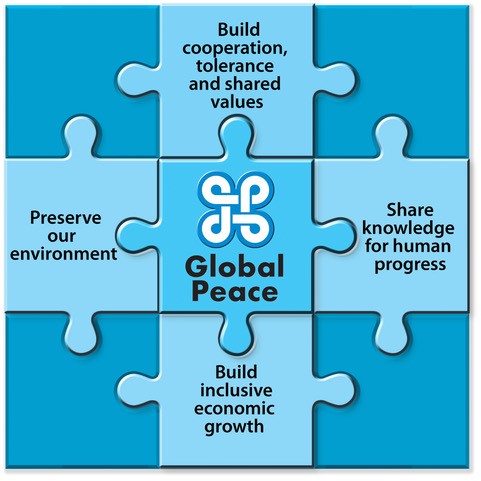
A Legacy of Development Driven Peace — Looking Ahead to 2026
With over 20 programmes held annually, Global Peace will continue scaling development initiatives in digital youth livelihoods, women’s economic empowerment, climate, health and food security. This will support the development of the Global Peace Charter to be delivered to the United Nations as the consolidated voice of youth hopes and ambitions from over 150 countries.
“From over 200 Dialogue Leaders to millions of Bridge Builders, our distinguished speakers have proven that development initiatives are the best tools for global peace at the global, regional and country levels,” said Kobla Asamani, Global Coordinator General of Global Peace.
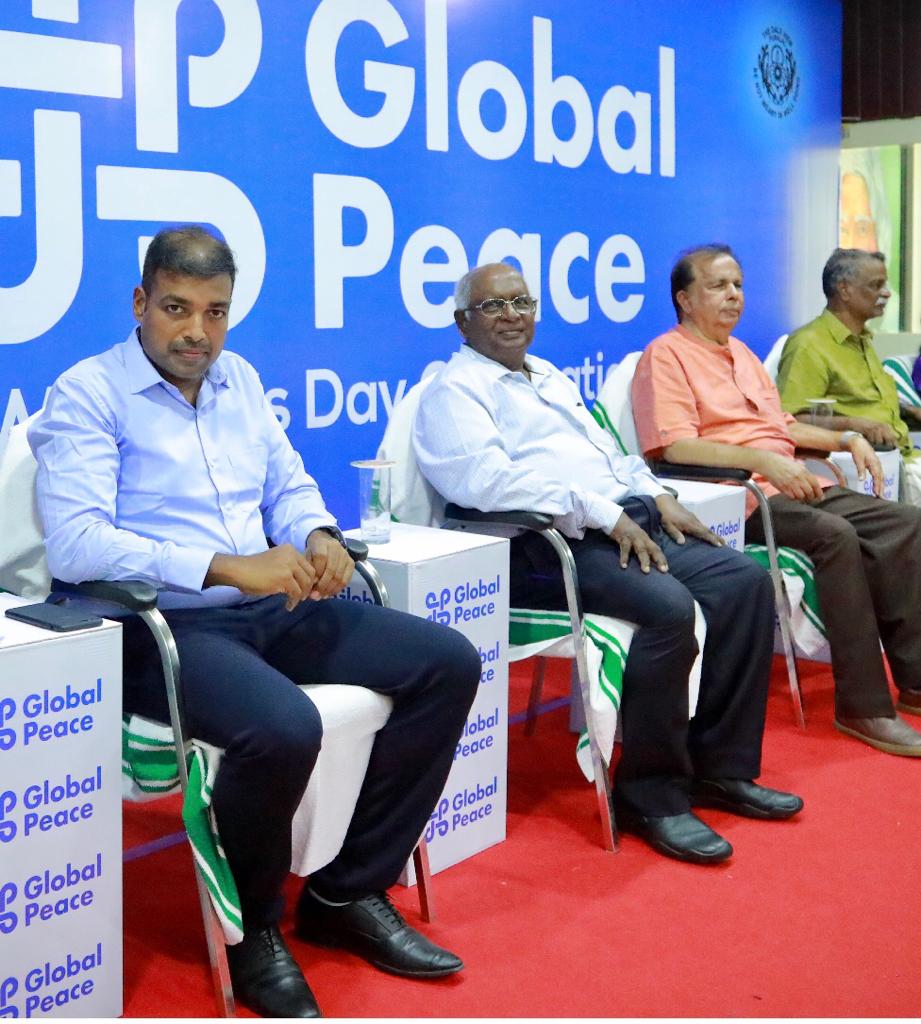
Some high-profile dignitaries and speakers of Global Peace include:
1. H.E. Cyril Ramaphosa, President of the Republic of South Africa
2. H.E. Nana Addo Dankwa Akufo-Addo, President of the Republic of Ghana
3. Heads of State of Brazil, Russia, India and China — 2018 BRICS Plus Summit
4. H.E. Amina J. Mohammed, Deputy Secretary-General of the United Nations
5. H.E. Fabrizio Hochschild-Drummond, Former UN Under-Secretary-General and Special Adviser for UN75
6. H.E. Dr. Phumzile Mlambo-Ngcuka, Former Vice-President of South Africa and Former Executive Director of UN Women
7. H.E. Dr. Speciosa Naigaga Wandira Kazibwe, Former Vice-President of the Republic of Uganda
8. H.E. Mrs Graça Machel, Chair of Global Peace and Chair of ACCORD Board of Trustees
9. H.E. Celso Luiz Nunes Amorim, Former Minister of Foreign Affairs, Federative Republic of Brazil
10. H.E. Bience Gawanas, Former UN Under-Secretary-General and Special Adviser on Africa
11. H.E. Dr. Monica Juma, Former Cabinet Secretary for Defence, Republic of Kenya
12. H.E. Liberata Mulamula, Former Minister of Foreign Affairs and East African Cooperation, Tanzania
13. Mr. Michal Mlynár, Acting Executive Director, United Nations Human Settlements Programme (UN-Habitat)
14. Mr. Alvaro Rodriguez, UN Resident Coordinator in Türkiye
15. H.E. Dr. Muhammad S. Amin Khan, World Chairman, International Human Rights Commission
16. Hon. Pearnel Charles Jr., Minister of Housing and Urban Renewal, Jamaica
17. Hon. Alvin Botes, Deputy Minister of International Relations and Cooperation, South Africa
18. Hon. Justice K. G. Balakrishnan, Former Chief Justice of India
19. Hon. Nabindra Raj Joshi, Former Minister of Industry, Nepal
20. Ms. Aditi Haté, Policy Officer, Our Common Agenda, Executive Office of the UN Secretary-General
21. Maj. (Rtd.) Mrs Salwa Sahloul, Head of Mission, Office of the Head of Government, Tunisia
22. Mr. Jeremy Gilley, Founder, Peace One Day, United Kingdom
23. Prof. (Dr.) Tony Ghaye, Director, The Global U Matter Project, UK
24. Dr. Abbas Poorhashemi, President, Canadian Institute for International Law Expertise (CIFILE), Canada
25. Mr. Argenis Angulo, World President, JCI (2022)
26. Hon. Nosiviwe Mapisa-Nqakula, Former Minister of Defence, South Africa
27. Amb. Asha Castleberry-Hernandez, Founder, Diversity in National Security Network (DINSN), USA
28. Amb. Abu Zein, Chairperson, Zein Global Development Trust
29. Mr. Felix Maradiaga, Former Presidential Candidate, Nicaragua
30. Amb. Ahmed Abdel-Latif, Director-General, Cairo International Centre for Conflict Resolution, Egypt
31. H.E. Ngoné Ndoye, Former Minister of Foreign Affairs, Senegal