Seven years after its launch on the margins of the United Nations General Assembly, Global Peace has grown from a single Inter-Generational Dialogue in Accra to a global movement spanning over 147 countries.
Founded in 2018 by the African Centre for the Constructive Resolution of Disputes (ACCORD), chaired by Mrs Graça Machel, and first announced by President Nana Addo Dankwa Akufo-Addo of Ghana to host the maiden Inter-Generational Dialogue (IGD), the initiative set out with a simple but radical premise: development is the most powerful tool for peace.
That premise has resonated. What started with 700 delegates at the Kempinski Hotel in Accra in May 2019 was attended by students, traditional leaders, security services, civil society and diplomats — has now become over 200 hybrid programmes, over 2,000 speakers, and more than 1,000,000 participants across six continents.
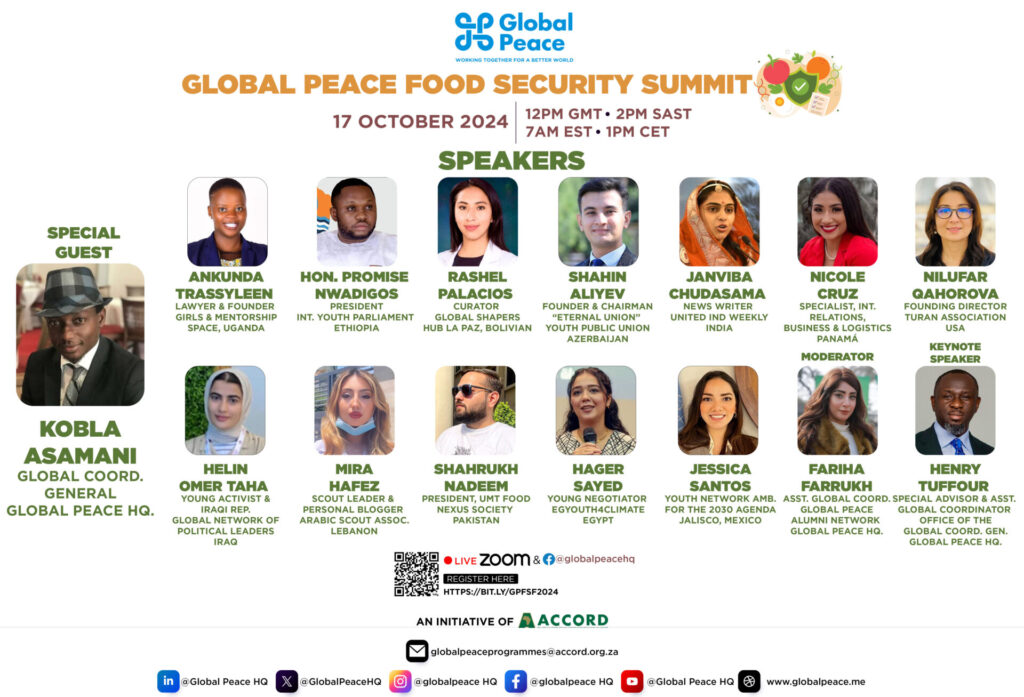
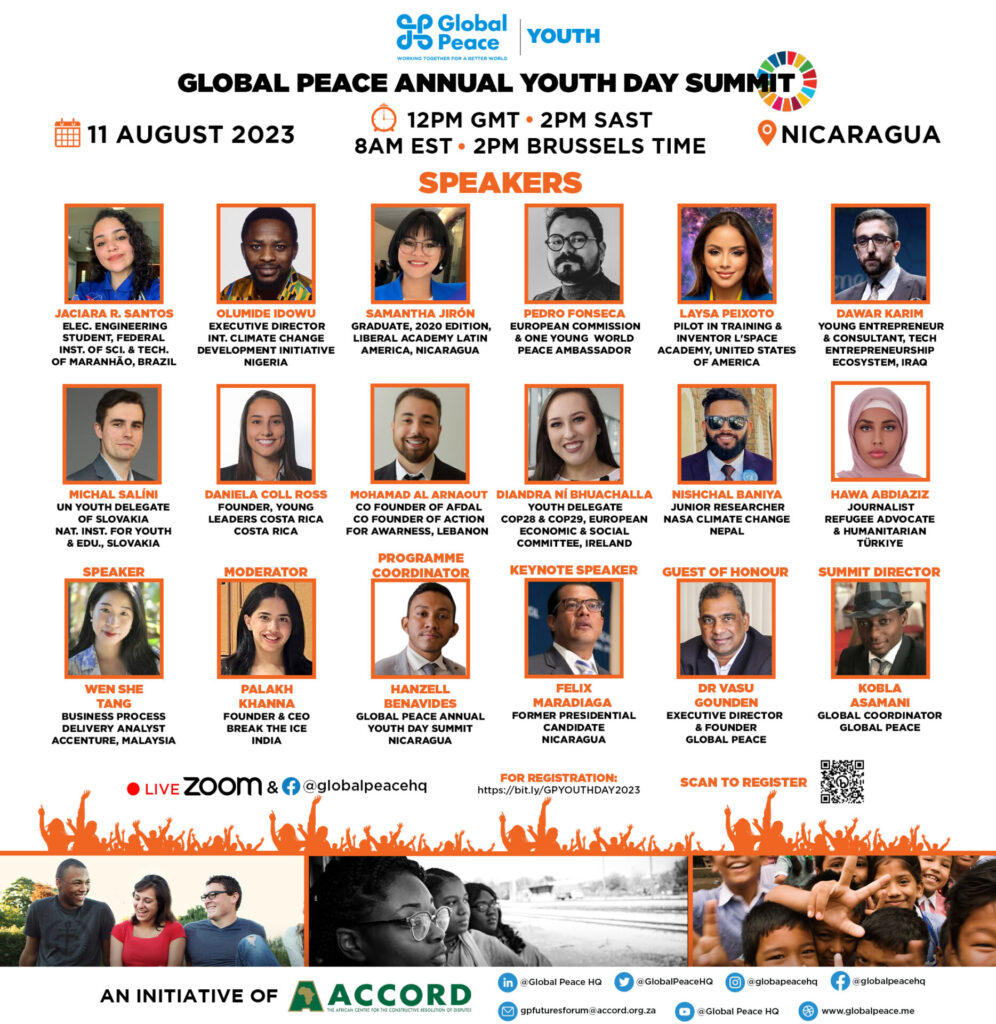
The footprint tells the story: dialogues in the Mexican Parliament, a caravan for peace through Israel, conversations deep in the ocean aboard Japan’s Peace Boat, youth forums in Nepal, Brazil, Kenya, Germany, and luncheons for 20 Heads of State at the BRICS Plus Summit in South Africa.
“Global Peace was engineered to be an ecosystem for Ideas, Innovators, Influencers, Investors and Implementers,” said Kobla Asamani, Global Coordinator General. “Today, that ecosystem spans 146+ countries because young people want to be part of building solutions, not just talking about problems.”
This ecosystem is built on the Four Pillars of Global Peace:
1. Building cooperation, tolerance and shared values
2. Building inclusive economies
3. Protecting and sustaining our environment
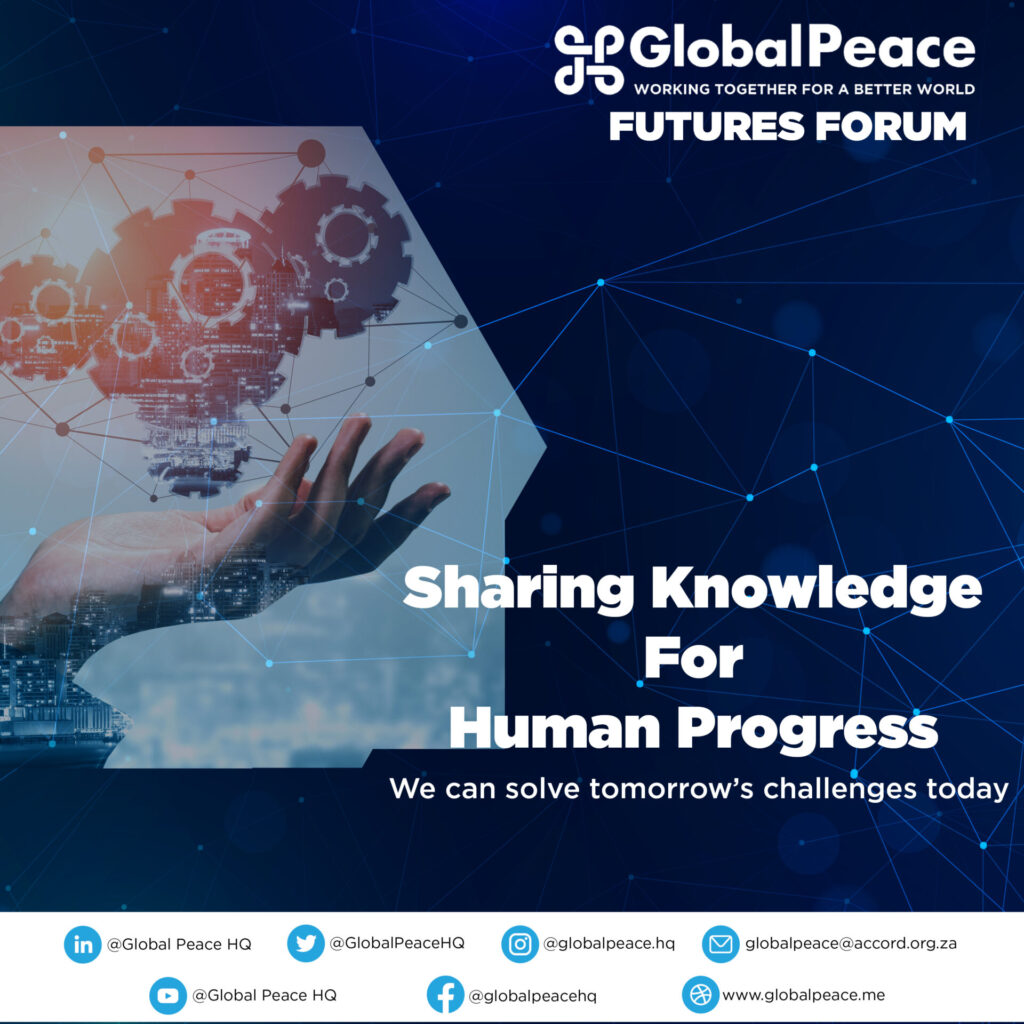
4. Sharing knowledge for human progress
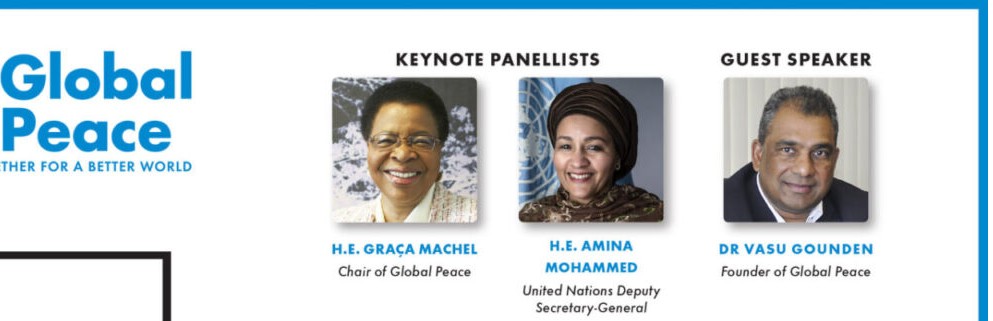
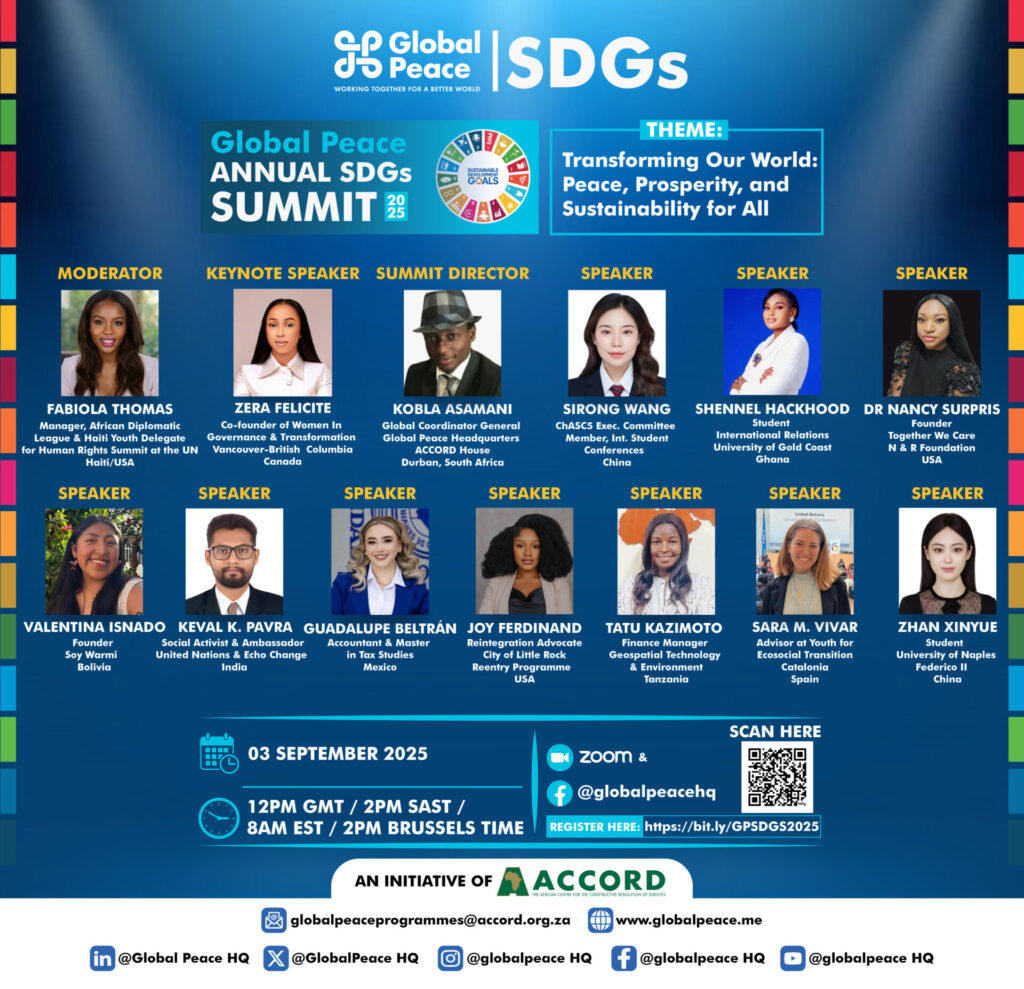
The convening power has drawn an impressive roster of speakers: Presidents Cyril Ramaphosa and Nana Akufo-Addo, UN Deputy Secretary-General Amina Mohammed, former UN Under-Secretary-General Fabrizio Hochschild, former Vice-Presidents of South Africa and Uganda, and ministers from Jamaica, South Africa, Kenya, Tanzania, Nepal, Ghana and Sierra Leone.
Beyond dialogue, the impact is institutional. Global Peace has introduced a Country Coordination model to establish national presence teams, built alliances with the UN SDG Action Campaign, World Federation of United Nations Associations, Global Citizen, UCLG, JCI, Commonwealth Youth Council, Association of African Universities, European Students’ Union, All Africa Students Union and Millennium Promise. Global Peace is now collating youth voices into a Global Peace Charter to be presented to the UN Secretary-General.
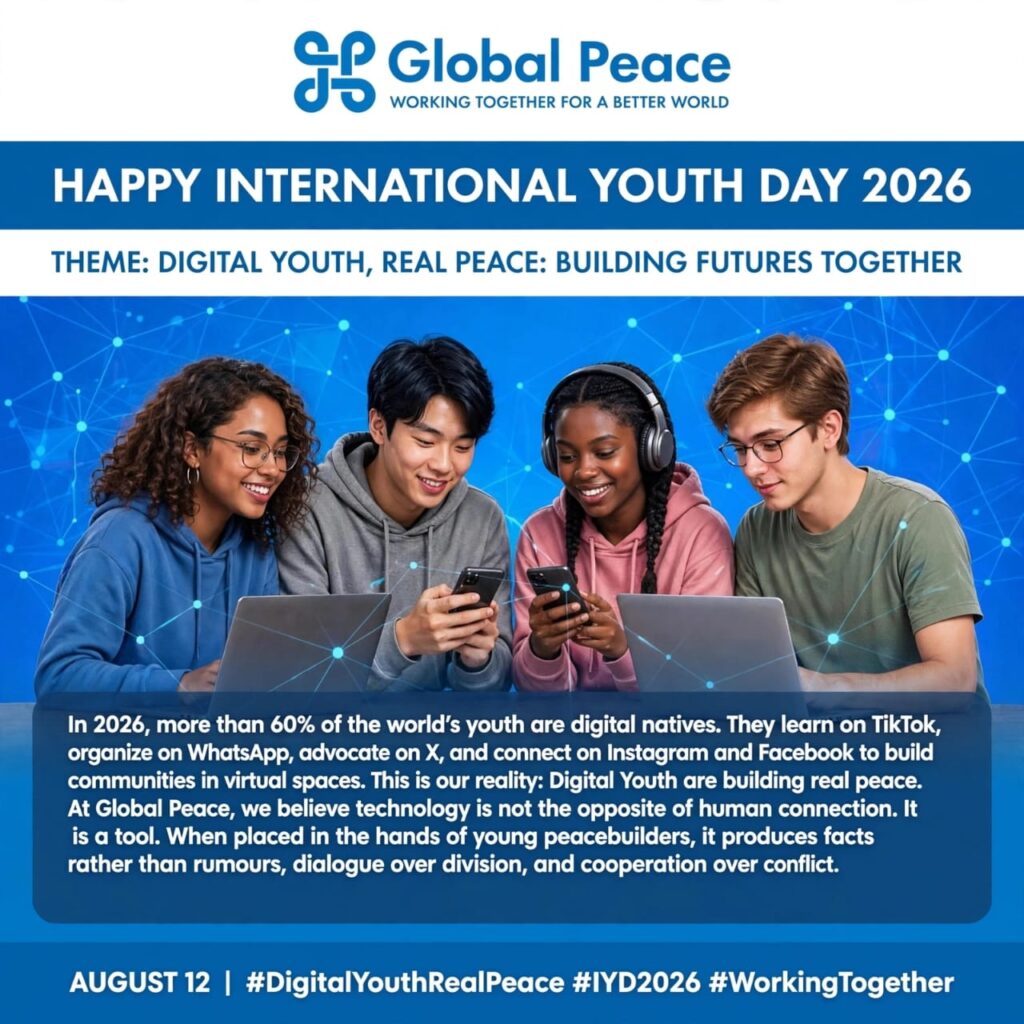
As the movement looks to the years ahead, its focus is sharp: digital livelihoods for youth, women’s economic empowerment, climate action, health and food security. With over 20 programmes held annually, Global Peace is driven by young people from over 100 countries.
From 200 Dialogue Leaders to millions of Bridge Builders, Global Peace has shown that when young and current leaders sit at the same table, peace becomes practical.
Global Peace Participating Countries: 147 Nations across 6 Continents
1. Afghanistan
2. Albania
3. Algeria
4. Angola
5. Antigua and Barbuda
6. Argentina
7. Australia
8. Austria
9. Azerbaijan
10. Bahamas
11. Bangladesh
12. Barbados
13. Belgium
14. Benin
15. Bolivia
16. Bosnia and Herzegovina
17. Botswana
18. Brazil
19. Burkina Faso
20. Burundi
21. Cameroon
22. Canada
23. Cabo Verde
24. Cayman Islands
25. Chile
26. China
27. Colombia
28. Congo
29. Costa Rica
30. Côte d’Ivoire
31. Croatia
32. Cyprus
33. Czech Republic
34. Democratic Republic of Congo
35. Denmark
36. Djibouti
37. Dominica
38. Dominican Republic
39. Ecuador
40. Egypt
41. El Salvador
42. England
43. Ethiopia
44. Fiji
45. Finland
46. France
47. Gabon
48. The Gambia
49. Germany
50. Ghana
51. Grenada
52. Guatemala
53. Honduras
54. India
55. Indonesia
56. Iran
57. Iraq
58. Ireland
59. Israel
60. Italy
61. Jamaica
62. Japan
63. Kazakhstan
64. Kenya
65. Kuwait
66. Kyrgyz Republic
67. Latvia
68. Lebanon
69. Lesotho
70. Timor-Leste
71. Liberia
72. Lithuania
73. Luxembourg
74. Malawi
75. Maldives
76. Mali
77. Malta
78. Mauritius
79. Mexico
80. Micronesia
81. Mozambique
82. Mongolia
83. Morocco
84. Namibia
85. Nepal
86. Netherlands
87. Nicaragua
88. Niger
89. Nigeria
90. Northern Ireland
91. Norway
92. Oman
93. Pakistan
94. Palestine
95. Panama
96. Peru
97. Philippines
98. Poland
99. Portugal
100. Puerto Rico
101. Qatar
102. Romania
103. Russia
104. Rwanda
105. Saint Kitts and Nevis
106. Saint Lucia
107. Scotland
108. Senegal
109. Serbia
110. Seychelles
111. Sierra Leone
112. Singapore
113. Slovakia
114. Slovenia
115. Somalia
116. Samoa
117. South Africa
118. South Korea
119. South Sudan
120. Spain
121. Sri Lanka
122. Saint Vincent and the Grenadines
123. Sudan
124. Sweden
125. Switzerland
126. Syria
127. Taiwan
128. Tanzania
129. Chad
130. Thailand
131. Togo
132. Trinidad and Tobago
133. Tunisia
134. Turkey
135. Turkmenistan
136. Uganda
137. Ukraine
138. United Arab Emirates
139. Uruguay
140. United States of America
141. Venezuela
142. Vietnam
143. Wales
144. Yemen
145. Zambia
146. Zimbabwe