At a time when the world faces a trust deficit, a climate emergency, and the fastest spread of misinformation in history, a youth-led initiative founded by a veteran African peacemaker is advancing a simple but powerful proposition: sharing knowledge is itself an act of peacebuilding.
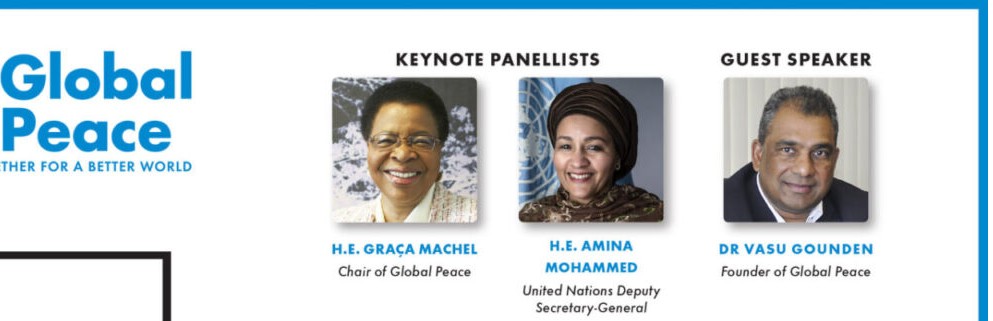
That proposition forms the fourth pillar of Global Peace, an initiative founded by Dr. Vasu Gounden, Founder and Executive Director of the African Centre for the Constructive Resolution of Disputes (ACCORD), which since its launch on the margins of the 73rd United Nations General Assembly has expanded to 147+ countries across six continents.
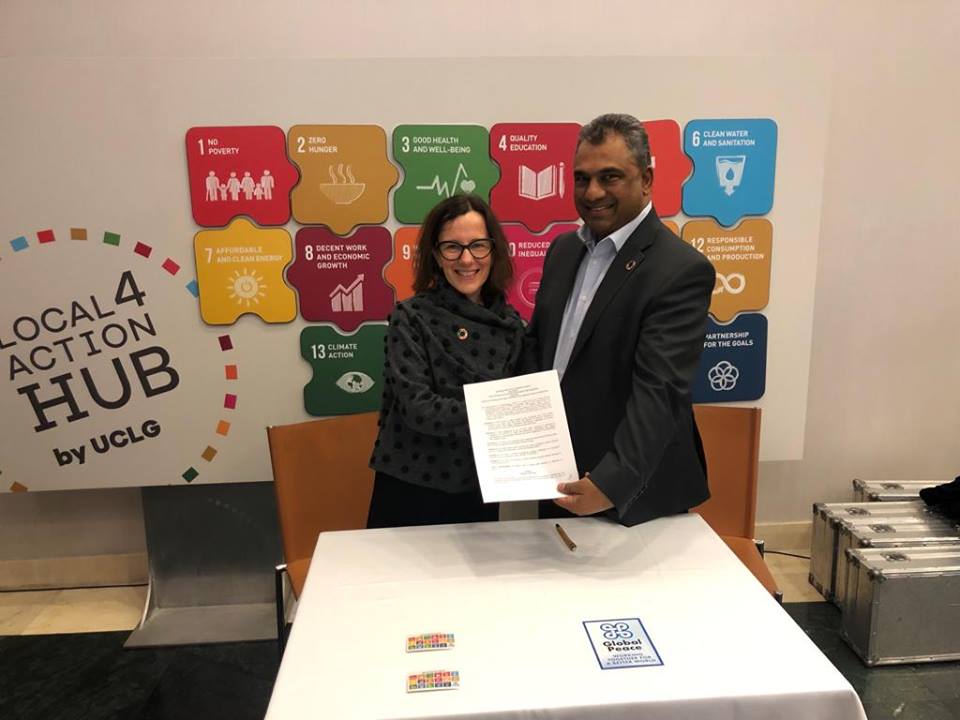
The initiative was launched on 27 July 2018 in Johannesburg by South Africa’s President Cyril Ramaphosa and Mrs Graça Machel, Chair of ACCORD Board of Trustees and Chair of Global Peace, and introduced at the Nelson Mandela Peace Summit at UN Headquarters in New York in September 2018.
The announcement that Ghana would host the inaugural Inter-Generational Dialogue (IGD) was made by President Nana Addo Dankwa Akufo-Addo in 2018, Then President of Ghana. The maiden IGD was held on 6 May 2019 at the Kempinski Hotel in Accra, convening more than 700 delegates.
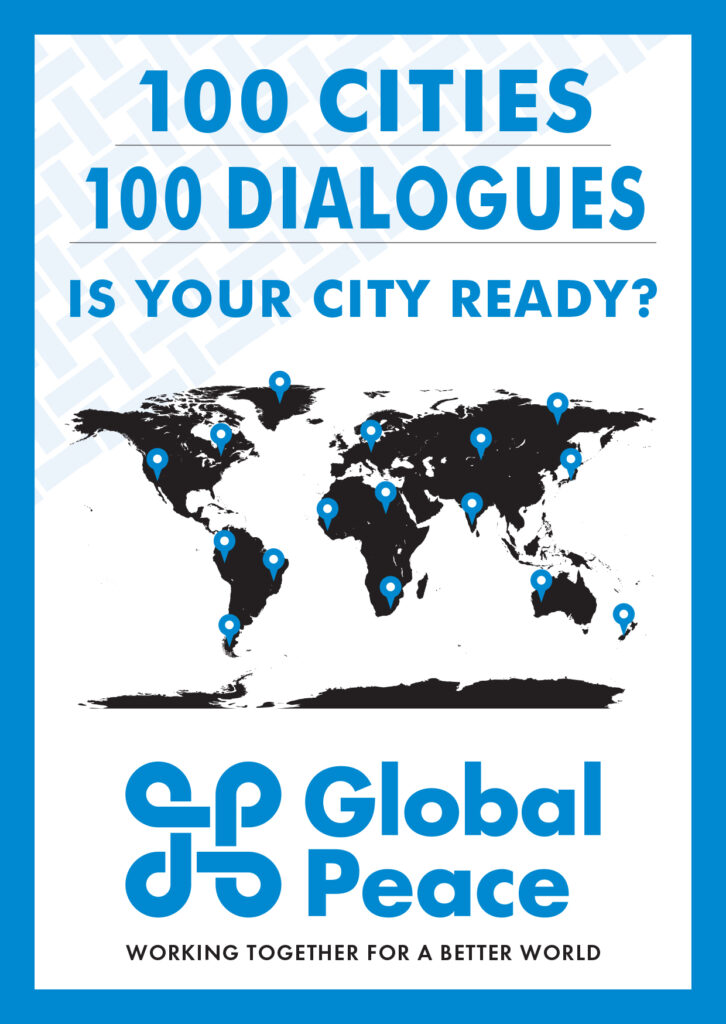
What began as a single dialogue has become a global ecosystem for Ideas, Innovators, Influencers, Investors and Implementers (the 5Is) with over 200 hybrid programmes, more than 2,000 speakers, and over 1,000,000 participants since 2019.
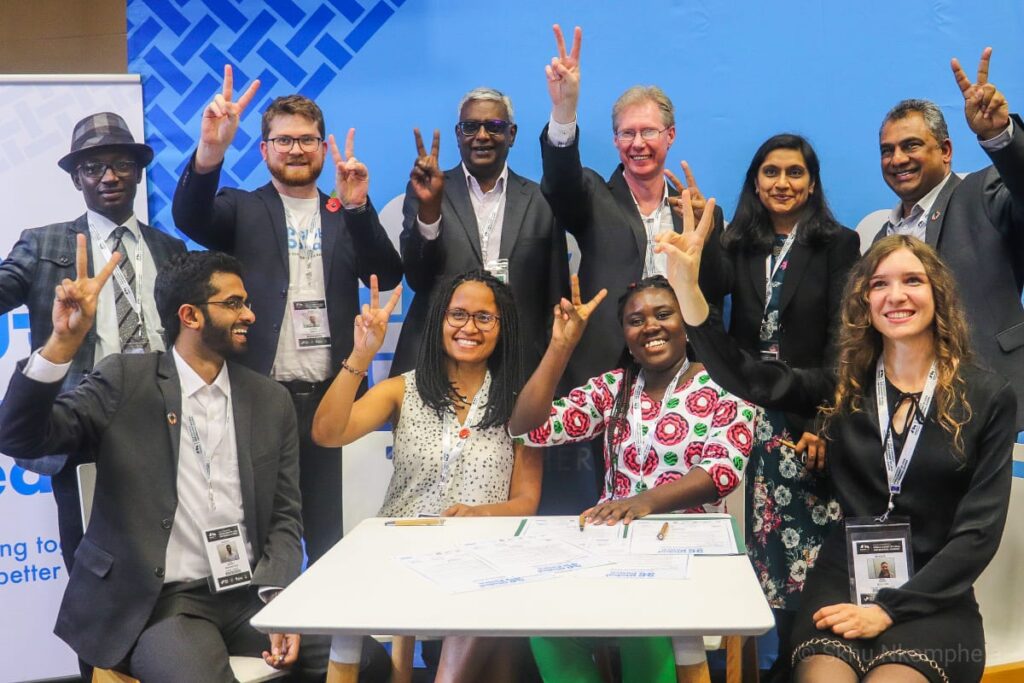
Founded on ACCORD’s philosophy that peace is not merely the absence of war, but the absence of poverty, unemployment and inequality, Global Peace translates that into action through four pillars: building cooperation, tolerance and shared values; building inclusive economies; protecting and sustaining the environment; and sharing knowledge for human progress.
Knowledge Sharing as a Peace Dividend
In its approach, Global Peace positions knowledge as a global public good essential to achieving the Sustainable Development Goals.
According to the UN Secretary-General’s Our Common Agenda, meaningful youth engagement and intergenerational solidarity are critical to rebuilding trust and reshaping multilateralism. Global Peace operationalizes this through its Inter-Generational Dialogue model, conceptualized under Dr. Vasu Gounden’s leadership.
An IGD brings together Dialogue Leaders, comprising young people aged 18 to 35, alongside mayors, parliamentarians, private sector leaders, traditional authorities and United Nations officials, to co-create solutions.
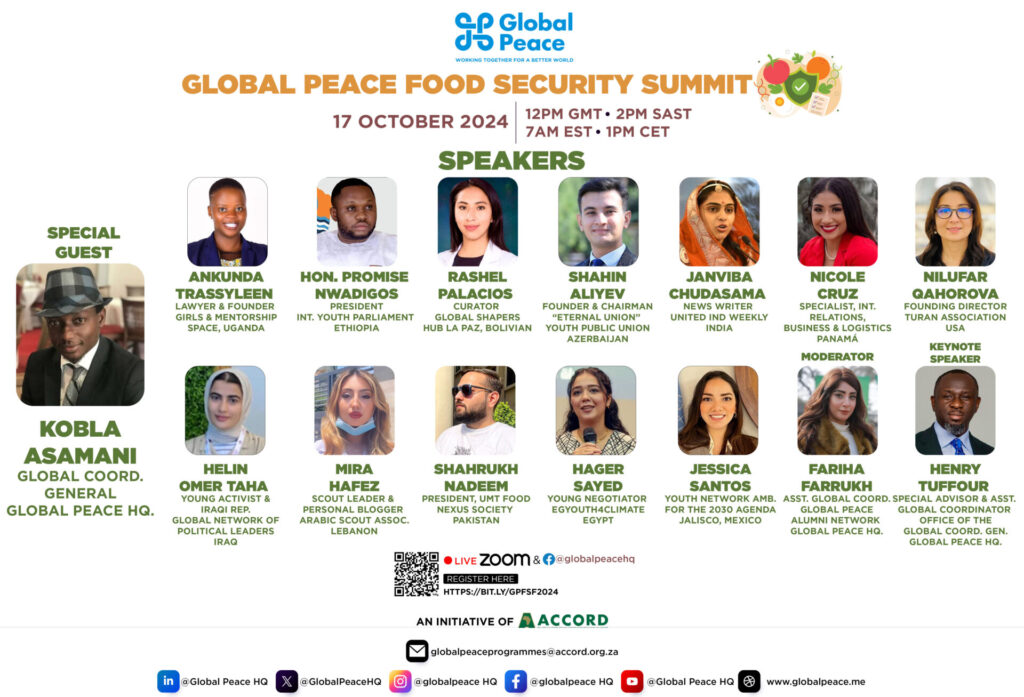
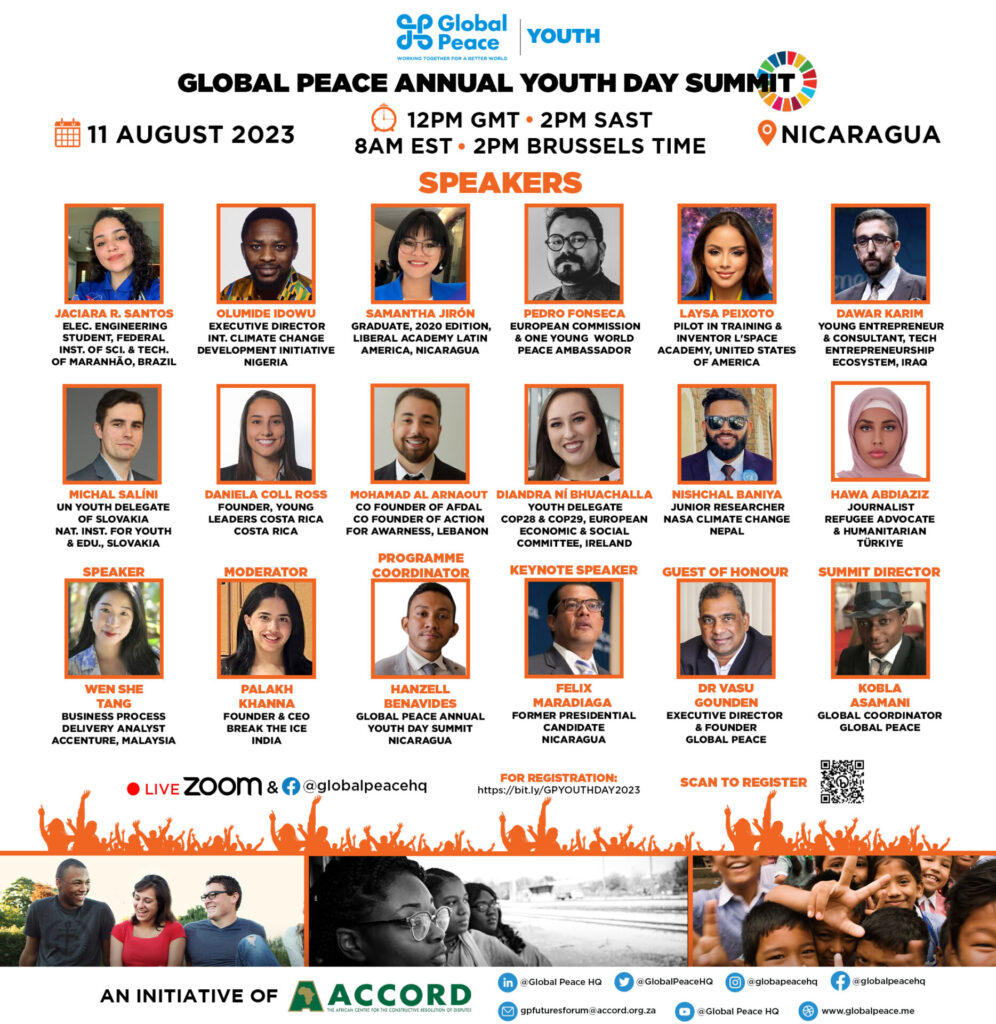
During the commemoration of UN75 in 2020, Global Peace convened 75 IGDs worldwide, from the maiden Inter-Generational Dialogue in Accra to a caravan for peace through Israel, to the Japanese Peace Boat sailing in the Pacific Ocean, alongside youth forums in Nepal, Brazil, Kenya, Canada, United Kingdom and Germany. A consistent finding emerged: beyond financing, young people prioritized access to knowledge, skills and mentorship.
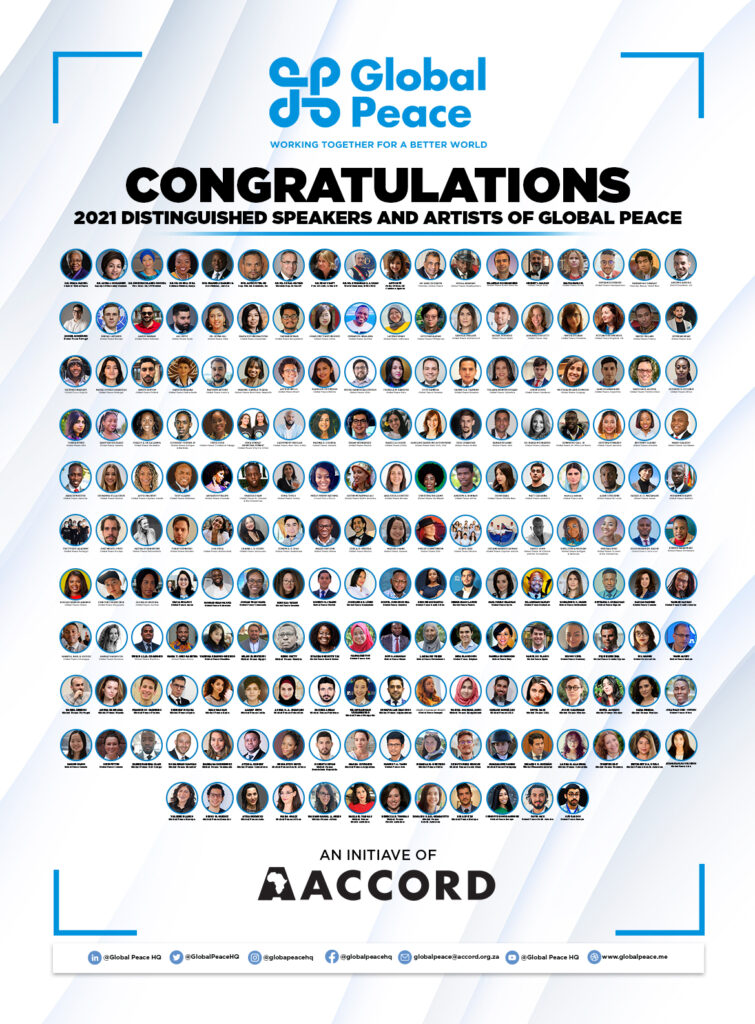
Speaking at the launch of the Global Peace Futures Forum in 2021, UN Deputy Secretary-General Amina Mohammed said: “The UN Charter states ‘We the people’ but it is the faces of young people that we need to see, youth need to define who is the WE! We need young people’s energy, commitment and leadership. Today we have a cohort of young people who have never been better connected — we have leadership now! Individually and collectively, we can make the change.”
That vision is reflected in practice. In one IGD in Nepal on climate adaptation, indigenous knowledge on terrace farming was documented and subsequently shared with farming communities in Ethiopia and Rwanda facing similar soil erosion challenges. In Kenya, university students transferred agri-tech knowledge to smallholder farmers, directly supporting SDG 2 (Zero Hunger) and SDG 13 (Climate Action).
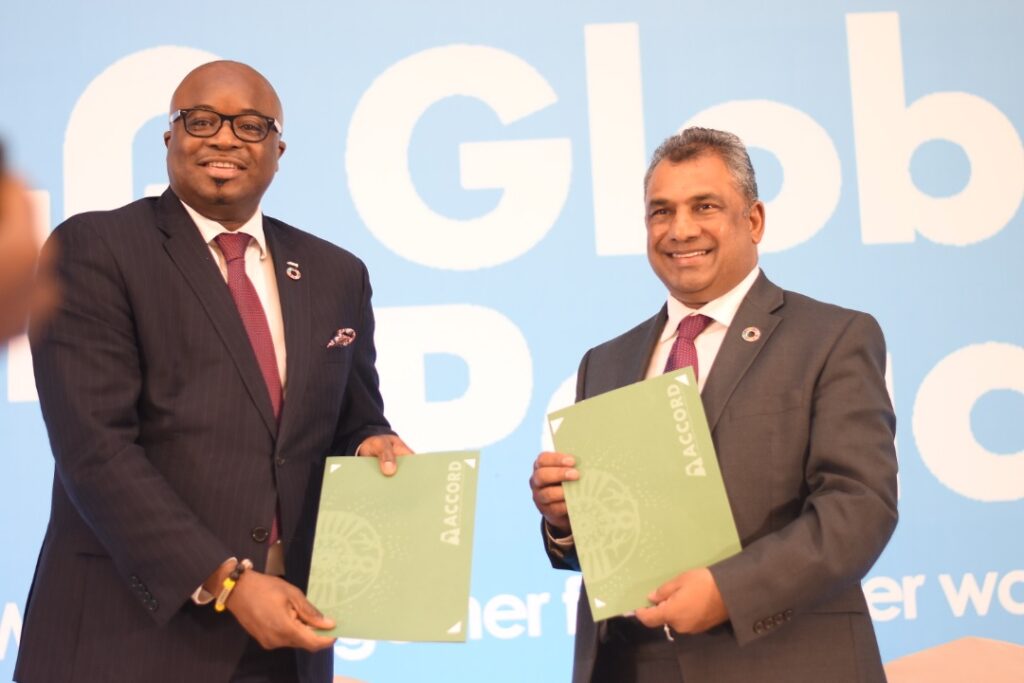
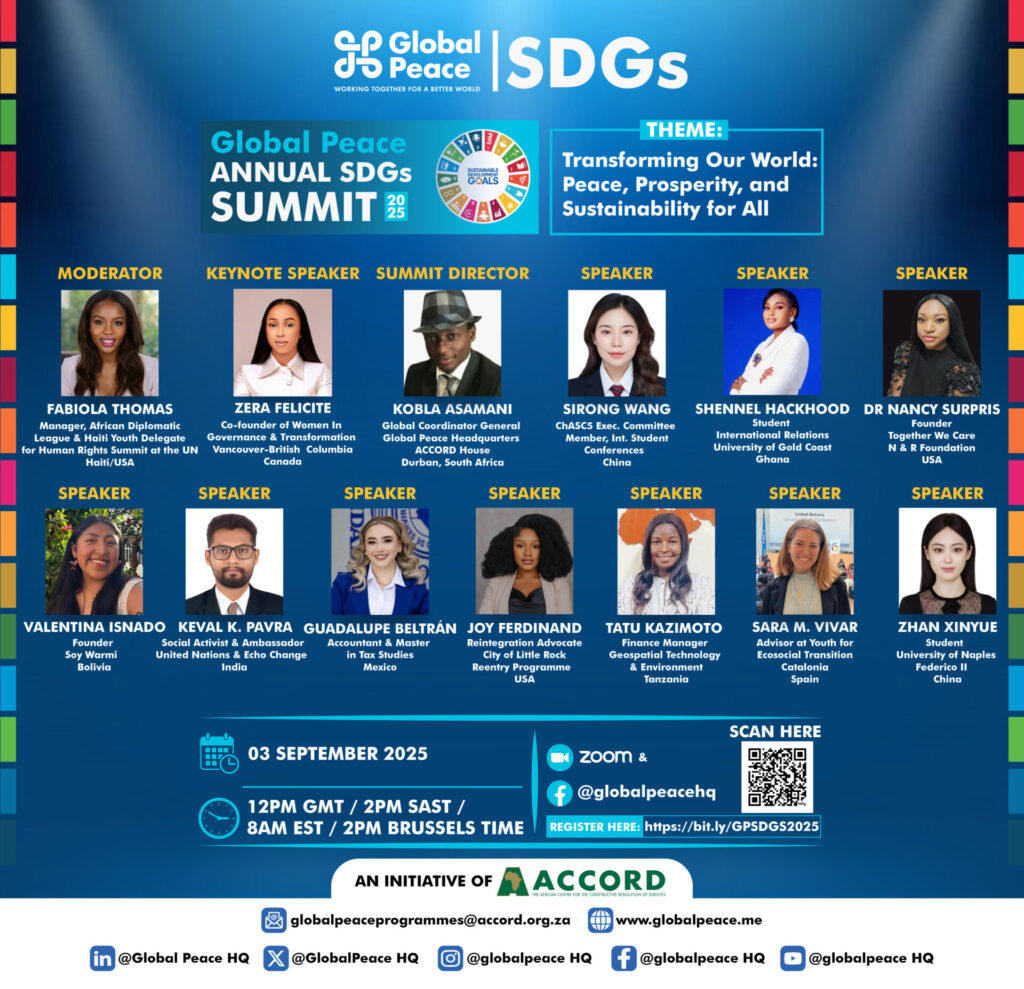
Kobla Asamani, Global Coordinator General of Global Peace, said: “Under the founding vision of Dr. Vasu Gounden, Global Peace has shown that when a coder in Uganda shares an open-source tool with a farmer in Jakarta, or when a young woman in Trinidad and Tobago shares digital livelihood skills with her peers in Fiji, that is peacebuilding in action. Knowledge, when shared inclusively, reduces inequality — a root cause of conflict.”
Toward a Global Peace Charter: A Living Knowledge Archive
To ensure that shared knowledge leads to policy impact, Global Peace is consolidating outcomes from over 100 IGDs and over 200 hybrid programmes into a Global Peace Charter.
On 13 November 2019, in Durban, South Africa, Mrs Graça Machel, Chair of ACCORD and Global Peace, presented the Declaration of Intent to draft the Charter to Mr Fabrizio Hochschild-Drummond, then UN Under-Secretary-General and Special Adviser to the Secretary-General on UN75, towards advancing the founder’s vision for a youth-defined social contract.
The Charter is being developed as a youth-led contribution to the future of multilateralism, aligning with the Pact for the Future adopted by Member States. It represents the hopes, ambitions and actionable recommendations of young people from 147+ nations.
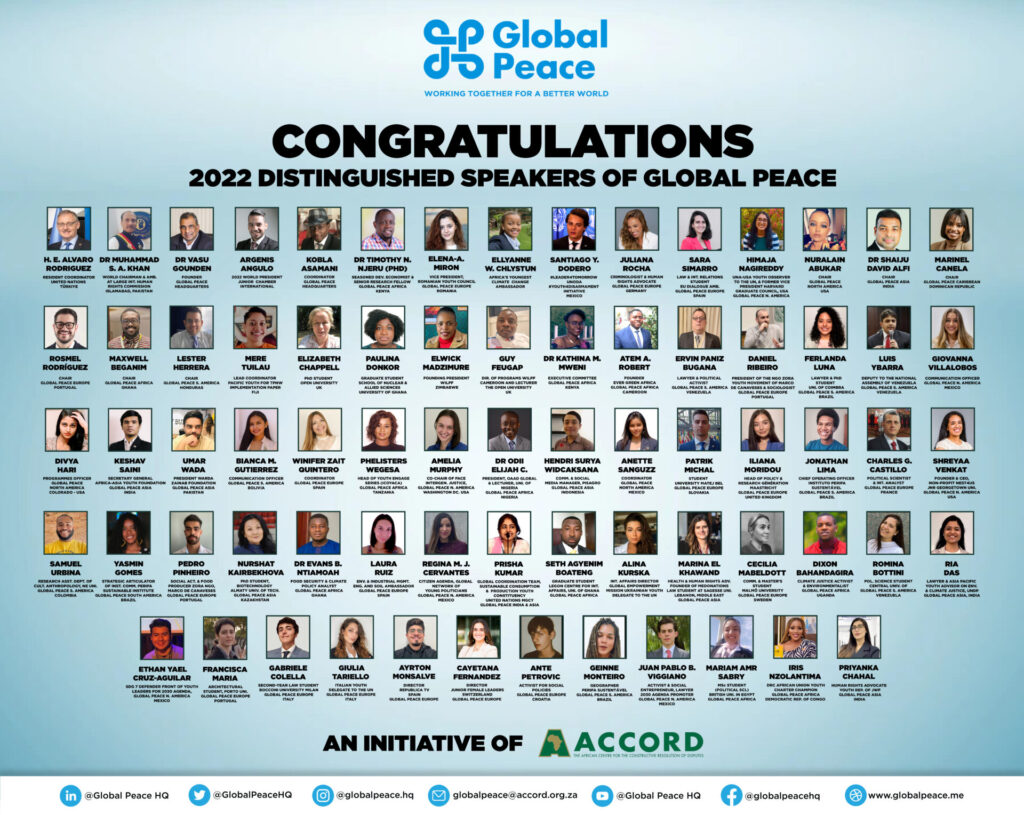
The initiative is supported by a broad coalition of partners, including the UN SDG Action Campaign, the World Federation of United Nations Associations (WFUNA), Global Citizen, United Cities and Local Governments (UCLG), Junior Chamber International (JCI), the Commonwealth Youth Council, the Association of African Universities, the European Students’ Union, the All Africa Students Union, and Millennium Promise.
Through its Country Coordination model, established under Dr. Gounden’s guidance, Global Peace has established volunteer coordination teams in several countries across the world tasked with convening dialogues and programmes annually and embedding knowledge locally.
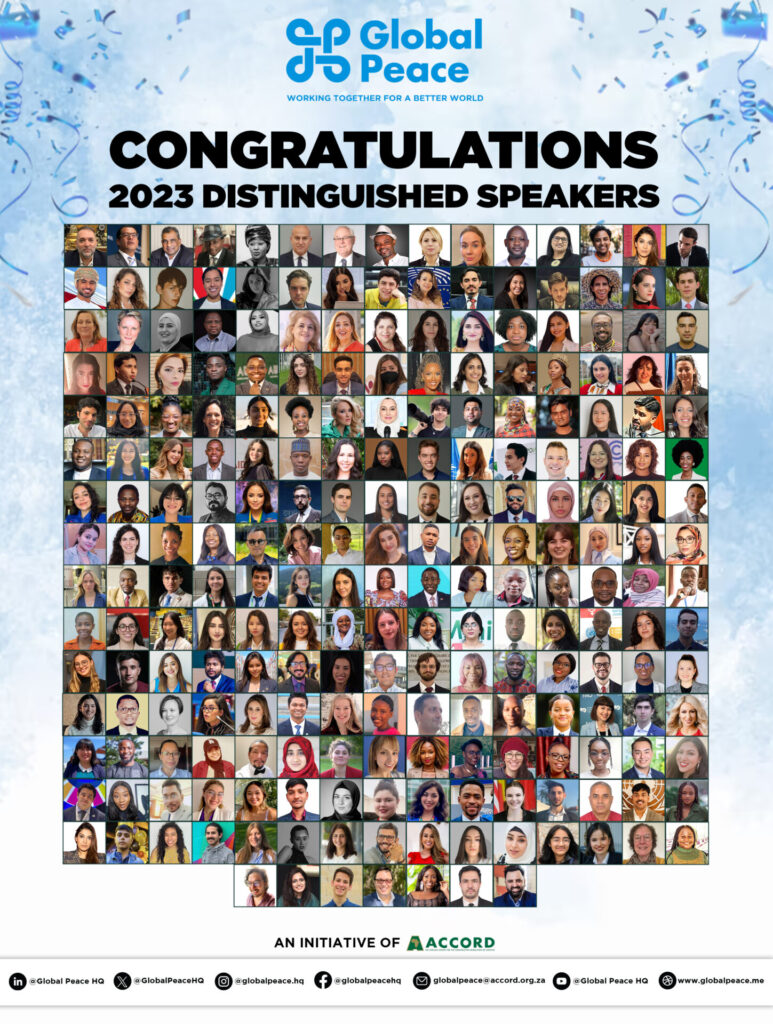
Looking ahead, Global Peace Headquarters based in Durban, South Africa will convene over 30 programmes annually with a sharp focus on digital livelihoods for youth, women’s economic empowerment, climate action, and health and food security, all underpinned by the principle of shared knowledge.
As the UN system underscores the need for a renewed social contract anchored in inclusion and intergenerational equity, the initiative founded by Dr. Vasu Gounden demonstrates how sharing knowledge for human progress can transform dialogue into development, and development into sustainable peace.
From 200 Dialogue Leaders to millions of Bridge Builders, the message from Accra to the United Nations is clear: when knowledge flows freely and inclusively, human progress follows, and peace becomes practical.